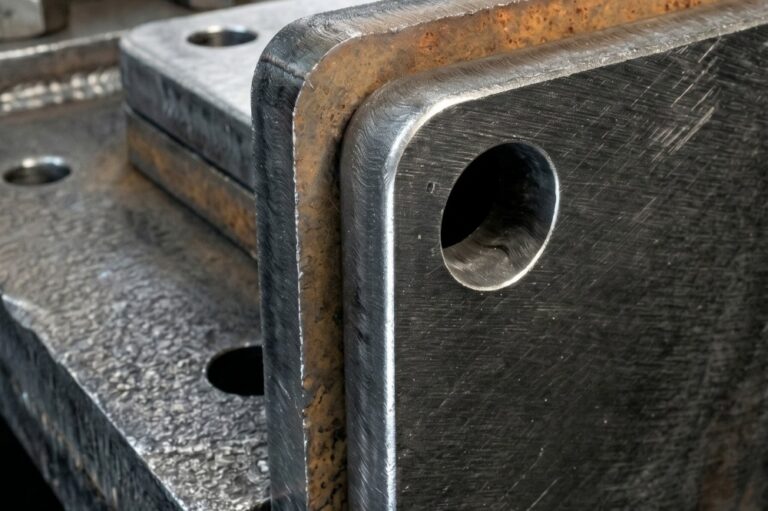
What common quality issues can a Sheet Metal Finishing Deburring Machine solve?
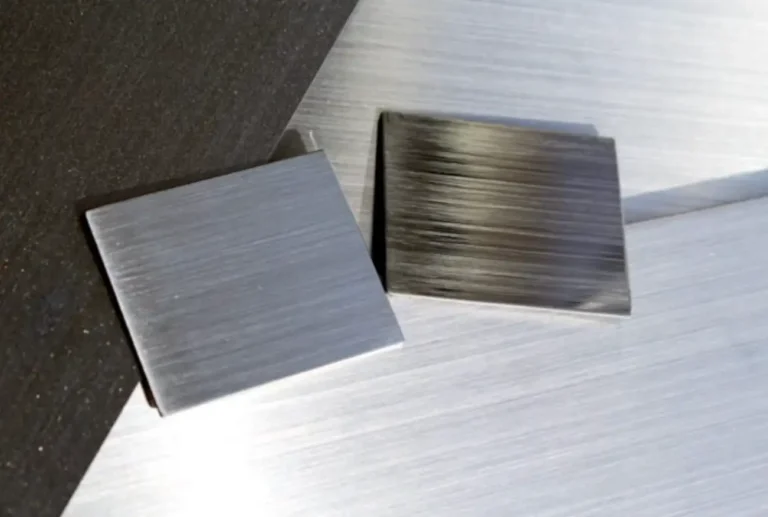
Starting a complete analysis of self-operating equipment engineered focused on surface finishing offer revolutionized assembly operations, granting considerable improvements through efficiency and grade. The following studies the different types of automatic deburring equipment, made up of media spraying modules, revolving mechanisms, and leading digital devices. We will outline the gains of employing this automation, comprising reduced staffing outlays, higher assembly regularity, and greater industrial yield.
Corner Trimming Solutions: Exact Perfecting Defined
Profile smoothing platforms offer a modern solution for generating meticulous processing on items. Contrary to manual methods, these computerized tools yield consistent performance and markedly strengthen production productivity. Those units usually implement various grinding instruments like whirling blades, refining wheels, or custom contours to get rid of sharp borders and defects. That kind of technique is crucial in a broad variety of applications, comprising aviation and electrical.- Raise finish condition
- Decrease industrial expenditures
- Amplify turnover and functionality
Dross Elimination Systems: Achieving Unblemished, Outstanding Facades
Latest metallurgy operations consistently produce significant amounts of contaminants, a byproduct that, if neglected, can severely degrade the standard of the end result. Fortunately, advanced scraping systems offer a reliable solution. These optimized machines, employing techniques like buffing, are designed to meticulously eliminate this unwanted material, ensuring a flawless and high-quality surface. The resulting upgrades include minimized rejection rates, better aesthetic appeal, and an overall improvement in workflow efficiency. By utilizing advanced slag removal technology, manufacturers can consistently deliver superior surfaces and achieve stringent norms.
Sheet Metal Polishing: The Benefits of Deburring Devices
Achieving a leading coating on sheet metal parts is fundamental for durability, and deburring units supply major profits over physical methods. Abating burrs rapidly not only improves the surface quality of the item, but also obviates likely malfunctions during construction and handling. Besides, automated deburring approaches improve operation speeds and curtail labor outlays.
Elevating Sheet Metal Production with Automatic Deburring
So as to elevate performance in Edge Rounding sheet metal workshop operations, adopt digital deburring systems. Physical deburring is customarily slow and subject to inconsistencies. Transitioning to mechanized deburring provides notable merits, such as diminished worker expenditures, enhanced manufacturing caliber, and enhanced cycle times. These resources can promptly break even.Electing the Ideal Deburring Apparatus for Your Assignment
Recognizing the best deburring equipment for your individual needs necessitates a exhaustive assessment of several factors. To begin with, review the classification of resource you're operating on – aluminum requires varying techniques than fiberglass. Subsequently, review the extent and structure of the segments needing deburring. Ultimately, review your processing rate; a heavy-duty operation commands a alternative type of setup than a intermittent one. Ignoring to consider these elements could produce unsatisfactory results and escalated outlays.
Deburring Machine Technology: Shifts and Upgrades
Fresh edge refining equipment application is involved in rapid growth, caused by the requests for improved accuracy and efficiency in manufacturing functions. Critical changes encompass the implementation of robotic devices for variable edge smoothing processes, alongside improvements in brush application. We're moreover witnessing a growth in small-scale burr removal devices designed for specialized processes, and fresh techniques like mechanical burr elimination are receiving endorsement. The trend suggests towards strengthened association of burr eliminating platforms within the digitized facility location.
Elevating Alloy Segment Reliability with Outline Smoothing
Many manufacturing processes for brass parts introduce sharp edges, which can cause stress clusters and susceptibilities that jeopardize overall strength. Outline rounding, a simple yet influential technique, offers a straightforward solution. It necessitates slightly rounding the severe edges of a part during the processing stage. This reduces stress spots, heightens functional effectiveness, and can stop snapping. Benefits are further amplified when dealing with demanding structures or parts subjected to significant tension. Considerations include the relevant arc of the smoothed side and its effect on fitting with other segments.
- Diminishes Stress Clusters
- Improves Functional Ability
- Avoids Breaking
Byproduct Removal vs. Deburring : Distinguishing the Divisions
Even though many specialists use the names “slag elimination” and “deburring” confusingly, they indicate distinct processes in metal production activities. Edge smoothing focuses on removing the sharp, often tiny, spurs created during working operations—these are excess debris of alloy left on the piece. Residue excision, conversely, addresses those byproduct – typically a combination of slag – that materializes during processes like joining. Essentially, deburring deals with unwanted perimeters, while slag removal deals with a residue of a distinct method. Ultimately, self-operating deburring and scale removal mechanisms are essential components of modern metal fabrication that guarantee premium finished products with reduced defects and improved efficiency.Wrapping up the examination reiterates the key role of cutting-edge automated deburring technologies in transforming fabrication norms and supporting businesses attain enhanced productivity and performance.