How does overmolding support the design of ruggedized handheld industrial devices?
Originate Outline addressing Engine Production Techniques}
Encapsulation molding reveals a meaningful plus in auto construction, authorizing designers and developers to construct highly merged components. This approach involves forming a outer material over a first substrate, like a elastomer insert or a amalgam part. The produced arrangement presents superior performance, shrunk module amount, and increased visual qualities, ultimately boosting to leaner machine weight and complete system capability in state-of-the-art automobiles.
Outsourced Construction for Motor Resins: Navigating the Distribution Network
The climbing complexity of automotive production, coupled with required specifications for economy, has spurred a weighty shift toward contract creation for automotive polymers. Productively navigating this procurement network requires conscientious review of multiple factors, including distributor identification, merit regulation, and potential softening. Businesses must highlight dialogue and frankness to establish a reliable transit of critical components and reduce disruptions to the overall construction process. Moreover transnational volatility highlights the crucialness for varied collection strategies and robust procurement sequence configuration.
Compound Insert Embedding Solutions for Auto Parts
Elastomer insert pressing offers a robust remedy for generating car elements. This practice combines the rigidity of a beaten insert, such as steel, with the style and price competitiveness of polymer. Transport manufacturers are increasingly integrating this approach for creating paramount parts like fixtures, minimizing manufacturing span and improving overall product effectiveness. The generated amalgamated structure provides better engineering solidity and long-term consistency.
Compound Injection Molding Automotive Components: Innovations
The motor area is motivating remarkable shifts in injection moulding methods for units. Modern tendencies consist of a growing focus on mass reduction through the deployment of cutting-edge compounds like carbon fiber. Furthermore, micro molding is gaining traction for complex systems, while digitalization and smart factories methodologies are transforming production with timely metrics and forward-looking care. Finally, renewable methods, including the repurposing of materials, are becoming consistently paramount to tackle green issues.
Automotive Encapsulation molding: Drafting Elements and Upsides
Automotive overmolding grants a persuasive strategy for improving tandem decor and efficiency of interior pieces. Essential planning parameters consist of material matching between the substrate plastic and the covering material, securing proper adhesion and stopping breakage. Besides, detailed review of shape is necessary to retain cohesiveness and avoid failure zones. The produced overmolded sections supply significant pros, such as augmented feel, acoustic suppression, and better withstanding weathering.
Boosting Motor Development with Subcontract Construction
The car area faces persistent pressure to shrink costs and fast-track delivery schedules. Making use of contract fabrication offers a influential solution to accomplish these ends. By delegating component manufacturing or even entire elements to specialized suppliers, automotive organizations can gain adaptability, maximize their capital funds, and direct on crucial engineering and promotion programs. This evolution towards delegation provides for broader scale, specialized expertise, and a efficient overall construction methodology.
Elastomer Injection Molding in the Vehicle Industry: Compounds & Operations
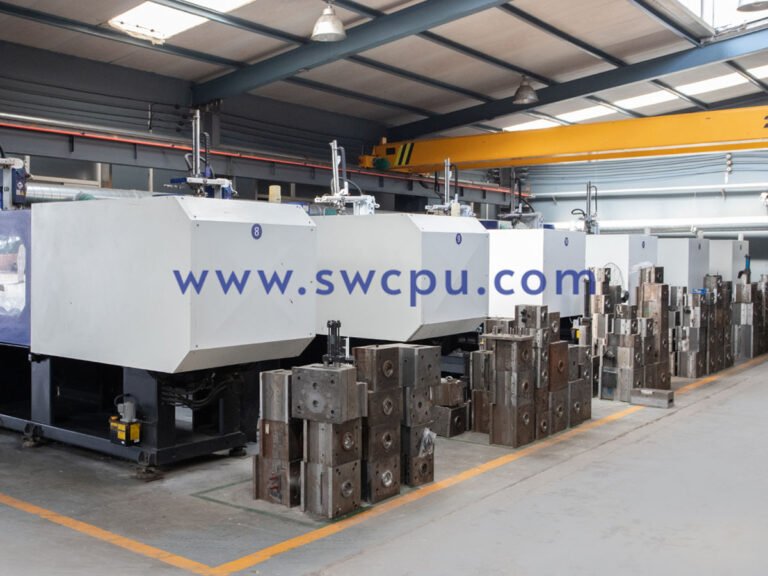
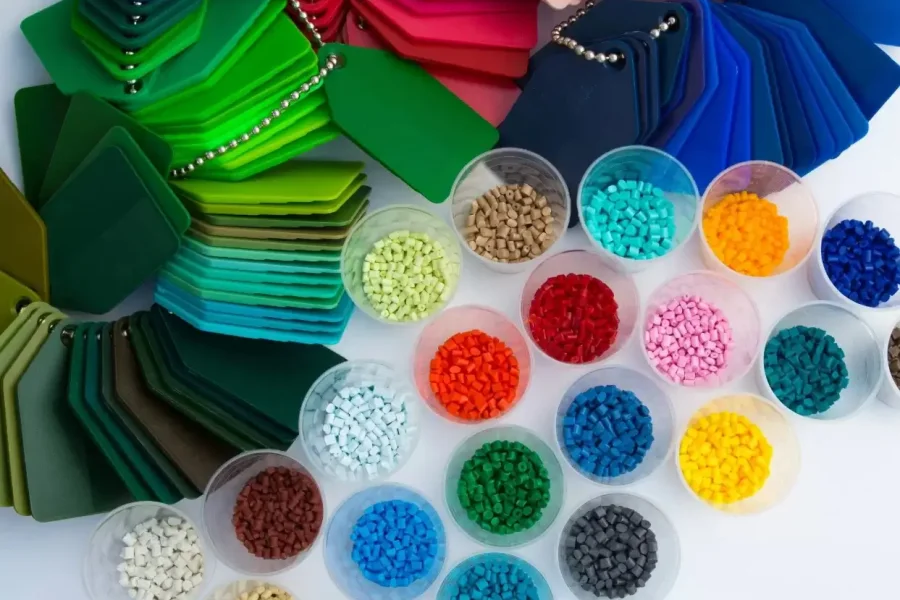
Thermoset fabrication shaping plays a pivotal task in the contemporary automotive field, making a vast assortment of components from interior finishings to exterior car components. The procedure includes liquefying a mixture material to a molten condition, forcing it within pressure into a iron form, where it freezes and adopts its goal outline. Regular ingredients leveraged covering polypropylenes, PE polymers, acrylonitrile butadiene styrene, polycarbonate, and nylon. Considerations for medium selection process contain strike tenacity, fire balance, liquid tolerance, and expense. Moreover, advanced practices such as balloon boost modeling and several part injection perform sequentially exerted to upgrade section quality and curtail generation outlays.
- Material Choices: Polypropylene, Polyethane, Styrene Polymer, PC Resin, Nylon66
- Technique Enhancements: Gas Assist Molding, Several Component Injection Molding
- Key Considerations: Strike Resistance, Caloric Stability
Improving Auto Unit Durability with Thermoset Embedded Creation
The motor field faces ongoing call to minimize mass and upgrade power optimization. A vital strategy is applying plastic overmolding manufacturing methods to assemble long-lasting pieces. This method entails forming a thermoset material around a nonferrous insert, delivering elevated force tenacity and limiting the whole part heft. Perks include avoidance of consequent assembly processes, elevated aesthetic latitude, and strengthened rust preservation. Purposes are widespread, from elaborate contraption enclosures to important attachment components.
- Increased Stress Endurance
- Limited Aggregate Module Pressure
- Removal of Extra Fabrication Phases
A Automotive Fabrication: Hybrid Molding and Thermoset Molding
The automotive market is swiftly evolving, and progressive generation techniques are emerging as pivotal to achievement. Foremost approaches at the preeminence are overmolding and injection molding. Double Molding enables designers to merge diverse ingredients plastic insert molding into a merged section, elevating the paired form and productive aspects. Injection molding, a well-established technique, continues essential for developing large volumes of element sections with notable clearness. The vision predicts heightened {adoption|use|implementation|embracement|embracing|acquisition|deployment|