How do cultural traditions influence the design of the Chinese Teapot?
Throughout enduring chronicles,
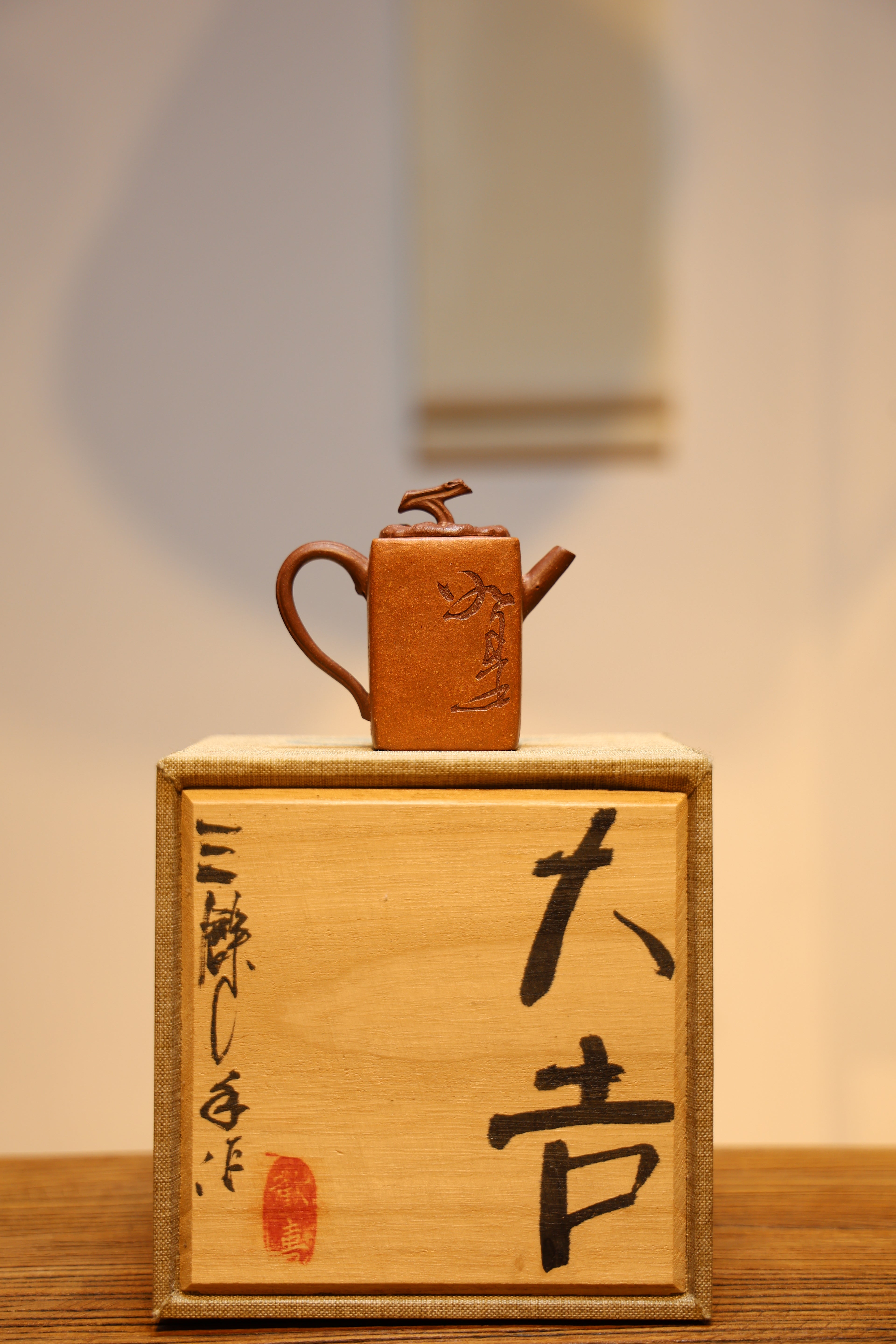
Across periods, connoisseurs have been absorbed by the unique charm of Yixing Zisha kettles. Originating from the territory of Yixing in Jiangsu, these pieces are renowned for their outstanding beauty, infrequent clay, and essential ability to elevate the bouquet of the steeping. The element's distinctive burgundy hue, combined with the artistic fabrication of territorial builders, creates works that are at once functional productions and costly investments. Acquiring a Zisha teapot is more than just the purchase; it's embracing a rich cultural heritage.
Understanding Yixing Teapots: Saga, Models, and Cost
Celebrated Yixing teapots manifest a extensive heritage deeply intertwined with Chinese culture. Emerging in the Yixing region of Jiangsu province, these clay vessels boast a heritage extending back to the Ming Dynasty. Initial examples were functional, but throughout centuries, Yixing teapot forging evolved into an esteemed art form. The clay itself, known for its unique composition and ability to boost the flavor of the tea, stays a defining factor. Yixing teapots come in various versions, broadly categorized by shape: Established such as Zhuni (purple clay) and Bisheng, as well as advanced designs. The price of a Yixing teapot Zisha Teapot is on several factors, including the potter’s distinction, the age of the piece, the rarity of the clay, and its aesthetic charm.- Background: Centuries ago
- Medium: Different forms
- Assessment Factors: Historical period
Zisha Claycraft: Approaches and Crafters
One construction of a authentic Zisha teapot is a detailed process, requiring extensive times of proficiency. Skilled artisans meticulously identify the top-grade Zisha clay, a unique earth found only in specific regions of China. Heritage-based techniques, often handed down through families, involve precise shaping, gentle carving, and slow firing in ancient calcining chambers. The ultimate teapot isn't merely a vessel; it's a testament to innovative vision and the profound connection between the artisan and their legacy. Each work showcases the particular touch of the fabricator, resulting in a truly exceptional work of masterpiece.
Traditional Artefacts: Investigating the Comprehensive Legacies of Yixing
Historic Yixing, located in Jiangsu the district, is globally renowned for its exceptional earthenware – a tangible representation of centuries of Chinese creative legacy. These aren't merely vessels for steeping tea; they are intricate works of expertise, often reflecting philosophical ideals. This unique purple clay, known as Zisha, possesses singular qualities: it is dense, ventilated, and imparts a subtle tone to the tea.
- Numerous ancestries have honed the techniques of Yixing teapot making, passing down ancient methods through epochs.
- Followers prize these pieces for their elegance and exclusiveness.
- Particular jar tells a history, connecting the imbiber to a rich foundation.
Committing to Yixing Zisha: Vital Indicators
When looking into buying Yixing Zisha containers, a range of factors warrant careful consideration. At the outset, the ingredient's color is crucial; authentic Zisha generally exhibits a particular carmine depth. Also, evaluate the craftsmanship; well-defined features and a elegant texture demonstrate expert production. To finish, examine the artisan's credentials; famous names earn enhanced fees and often grant a promising profit.
Mastering Tea Brewing Using a Zisha Pot
Brewing delicious tea with a Zisha teapot is more outstripping a simple custom; it's an skill. Zisha clay, noted for its unique physical composition, imparts a gentle character to the finalized tea that’s often missing with other containers. The right water thermal condition is fundamental; typically, reduced than what's used for black tea, to save the tea's perfume and taste. Consider carefully the tea form; delicate green teas or aged pu-erhs prosper from the Zisha’s ability to tone down their intrinsic edge. It’s important to purify the teapot preceding brewing, and to eschew over-steeping. Mastering this practice leads to a truly exceptional tea enjoyment.
- Recognizing Zisha Clay
- Liquid Heat & Tea Type
- Value of Warming Up
Caring for Your Esteemed Container
For the purpose of ensure the continuity of your beautiful Yixing teapot, habitual attention is utterly mandatory. Do not using synthetic products; instead, carefully rinse it with mildly heated fluid. Ward off rapid temperature; please don't put the earthenware directly onto a fiery stand. Periodically, prepare the container by immersing it with high-quality fermented tea, as this supports to develop its essence and protects the singular qualities of the medium.
From Material to Receptacle: The Progression of a Traditional Brewing Device
Such creation of a Zisha teapot is a astonishing operation, a testament to both the globe's bounty and the mastery of the maker. It launches with the careful extraction of the singular clay from the plum Zisha mines around Yixing. This virgin material, known for its superlative characteristics, is then carefully distilled and ready for the preliminary forming. The urn’s form is masterfully assembled using a mix of classical sculpting practices, often incorporating complex motifs. Following aging, the vessel undergoes a essential first firing, accompanied by a dressing stage, which might involve countless layers of natural Zisha solutions. Finally, a second, and sometimes third, firing at elevated temperatures solidifies the manufacture, revealing its resolved beauty and exceptional characteristics - a authentic masterpiece, set to beautify a tea tradition.
{Yixing Teapots: A Exemplar of a Culture and Admiration
The Yixing region teapots, originating from the well-known Yixing region of Jiangsu province, are far more than mere wares for brewing liquids; they represent a meaningful aspect of Chinese society. Manufactured from distinctive purple clay – zisha – these distinctive teapots are highly appreciated for their ability to enhance the flavor of the tea and, crucially, for their beauty. The history of Yixing teapot making spans centuries, and the skill involved is passed down through generations, making each teapot a artistic creation that embodies ancient techniques and a profound appreciation for the understated pleasures in life.