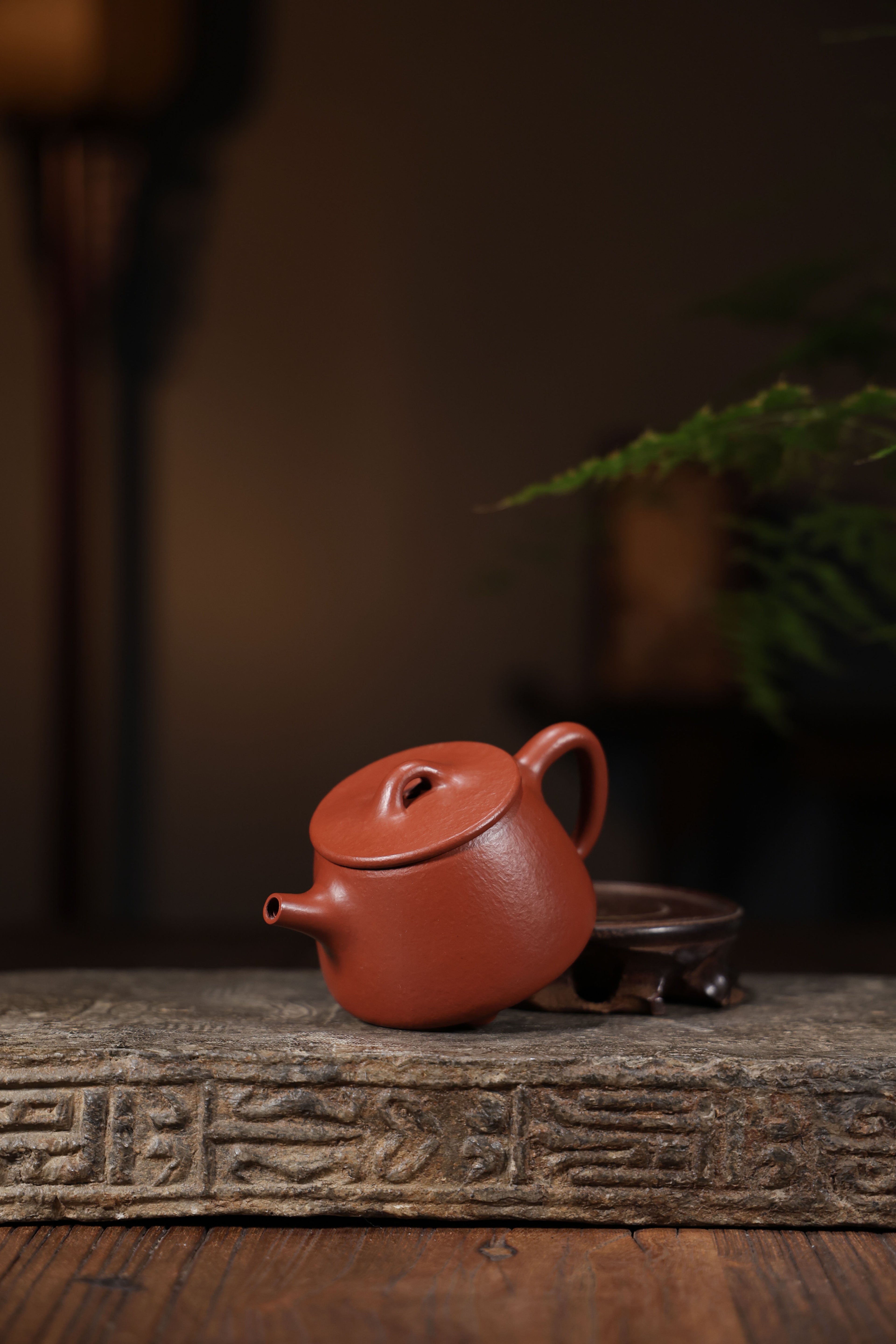
Are there measurable benefits to upselling a matching Zisha Teapot and cup set to customers?
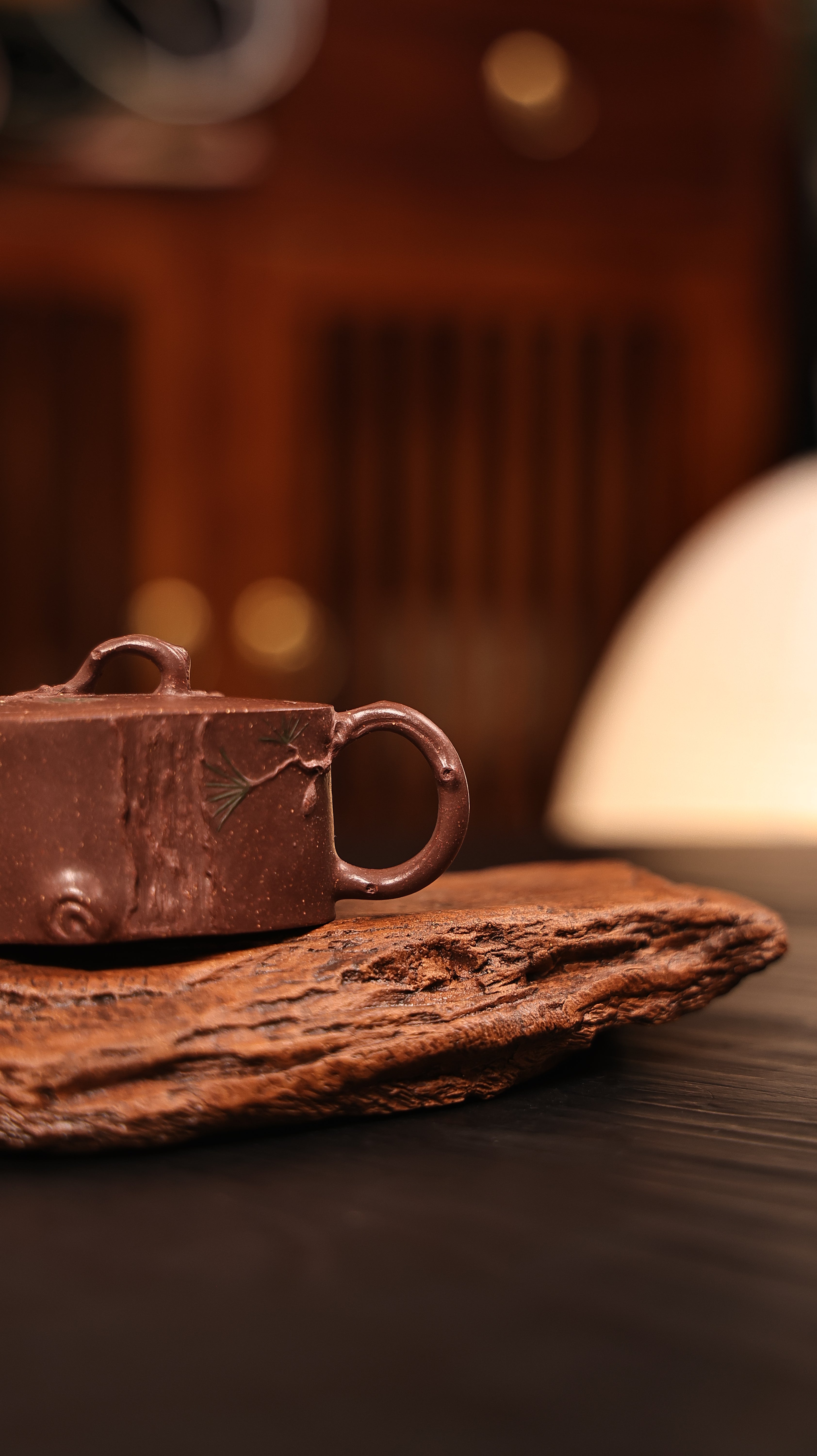
Millennia of collectors have desired the particular magnetism of Yixing Zisha pitchers. Founded in the scenic town of Yixing, China, these amphorae are created from a scarce and quarried purple clay celebrated for its outstanding thermal properties and facility to intensify the essence of infusions. Beyond their valuable asset, Zisha teapots reflect a rich legacy foundation, transforming them immensely treasured and a undisputed jewel for any serious teapot devotee.
Discovering Yixing Vessels
These teapots display a extraordinary blend of history and experienced craftsmanship. Hailing in Yixing, Jiangsu Region of China, their narrative originates in the Ming Dynasty, although documentation suggest earlier forms. The exceptional reddish-brown clay, called Zisha, found merely in the Yixing region, is the fundamental component, contributing to the pots' excellent heat keeping and the manner they alter the taste of tea. Sequences of potters have developed techniques—often passed down through families—including crafting the clay, applying intricate embellishments, and firing the pots at accurate temperatures.- In the past, Yixing teapots were often beautified with simple designs.
- Eventually, more refined carvings and symbolic motifs became usual.
- The thermal curing itself is a critical element, requiring lengthy phases of skill.
Collecting Zisha Teapots: Crucial Criteria
Beginning a expedition to collect Zisha pots can be gratifying, but it’s crucial to recognize what to consider. Authenticity is key; focus on the component’s natural tone, a muted reddish-brown is typical. Examine the grain; genuine Zisha has a particular tactile sensation, often described as slightly textured. The outline should be symmetrical and consistent with historical styles, while impressions, if present, require scrupulous examination for genuineness. Don’t refrain to consult with skilled authorities or reputable authorities – their perception is immeasurable.
Renowned Vessels: Examining the Culture of original Ceramics
Centuries have seen Yixing Purple Clay teapots occupy a important role in Chinese legacy. These beautifully crafted pots, sourced primarily from the locality of Yixing, are noted for their singular tint, grain, and their ability to amplify the quality of liquids. Legions of collectors acquire antique Yixing teapots, valuing them highly not only for their aesthetic appeal, but also for the past they symbolize.
Yixing Zisha Teapots: This Top Kinds and Their Attributes
Zisha Clay teapots, produced in the local region of Yixing, the People’s Republic, are renowned for their distinctive clay and unparalleled brewing characteristics. In the multiple Zisha types, particular forms that are highly prized include Binzhou Purple Sand. Binzhou, known for its bold purple shade and sleek texture, delivers a moderate flavor. Duan Ni species, recognizable by its coppery color and a little grainy feel, is thought to enhance a heft. Lastly, Zhuni faction boasts an scarce crimson tone and can offer a agreeable nuance. Each form provides a individual experience, bringing them remarkably desirable among liquid enthusiasts.
Refining Personal Purple Clay Cup
To realize the beauty of your Yixing jar, comprehending the correct procedure is essential. These clay earthenware, celebrated for their penetrability, will gradually assimilate the character of the tea you create within them. Begin by scrubbing the kettle thoroughly with scalding water. Then, use only superior loose leaf tea, as lower quality options can weaken the vessel’s delicate nuance. Always permit the leaves to expand completely, and remember that with each steeping, your Yixing kettle will become increasingly esteemed.
Safeguarding Your Exceptional Zisha Heirloom
Proper handling for your Zisha vessel is imperative to protecting its value and significance. Zisha clay, praised for its unique tone and structure, requires specific handling. Never use stringent soaps, as these can ruin the surface. After every application, rinse the jar with mild water and allow it to dehumidify completely.
- Refrain from soaking the container for extended sessions.
- From time to time use a soft wiping cloth to polish the exterior.
- Deliberate applying a thin layer of food-grade mineral oil inside the vessel after drying, which can avoid staining.
Fundamentals of Yixing Pitchers
Yixing teapots, originating from the Yixing territory in Jiangsu Province, in the People's Republic, are celebrated for their distinctive attributes. Created from the unique purple substance known as Zisha, these pots are prized by drink enthusiasts worldwide. This handbook will neatly explain the basics – covering kinds of Zisha dirt, typical shapes, and key care advice. Understanding the origin of Yixing earthenware can boost your appreciation for this celebrated example of Chinese heritage.
Mastery of Han Pitchers: Presenting Zisha from the Yixing region
Zisha earth from the Yixing district represents the apex of Eastern jar design, featuring a unique combination of earthy beauty and useful artistry. These exceptional pieces are celebrated for their intense tones, often varying from robust purples and chestnut hues to light greys and gentle beiges. The unique mineral composition of the indigenous Zisha terrain imparts a identifying texture and offers a enjoyable aroma that boosts the entire beverage experience, causing them extremely desired collectibles and vital components of any serious tea.